The power of moodboards
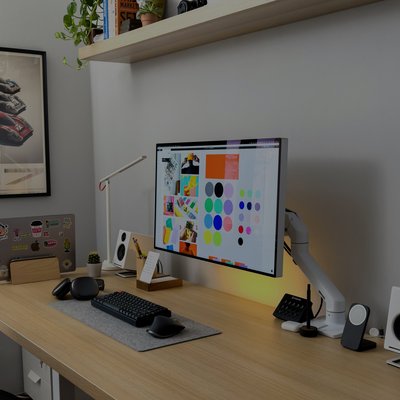
The power of moodboards
After working on hundreds of creative projects, the ones that really sing, the ones that make peopl…
Read article

Content helps to build brand authority and recognition, but it needs to be considered and measured in order to be effective. New content for new content’s sake can be jarring to audiences, and damaging to brand reputation. Read on to find out the difference between content creation and building a brand that people remember.
Brands aren’t struggling because they’re not creating enough content - they’re struggling because each piece of new content feels like it’s been made by a different business.
Think of a brand you know and trust, and think about why you trust them. Is it because they put out new content every week, or is it because they’ve built a sense of familiarity, reliability, and quality through consistent output and high standards?
A brand that puts out brand new content every week can only be seen as mavericks who are constantly innovating and simply brimming with creativity, right? In fact, the opposite is often true: constantly putting out new visuals and messaging can project an image of a disjointed brand unsure of its identity, just throwing stuff at a wall and seeing what sticks. That’s the worst enemy of audience familiarity and brand trust.
Repetition is refinement; it’s how you build familiar patterns for your audience and how you’ll make it easier for them to associate your brand with a product or service.
A bank of recurring creative themes and brand assets are essential for building a distinctive visual identity and language; one that your audience will immediately recognise. Ideally, your themes, assets, and identity will become so clearly defined that your content will be immediately recognisable as belonging to your brand.
It’s not just the visuals that need to be familiar, either - your tone of voice and messaging should remain consistent. The way your brand talks helps to tie together the different parts of a campaign and builds connection with customers. Once you’ve established your tone of voice, it needs to stay the same; changing the voice that your customers identify with only serves to alienate them.
With the right creative assets and messaging, you can draw a lot from a single campaign before audiences become fatigued. It can be tempting to jump on the latest trend, try a fresh style, or launch a new campaign as soon as you have the idea.
But while these might sound good individually, collectively they’re confusing your customers and diluting what they remember about your brand. Sticking with the same approach for a while gives your campaigns and content time to resonate with your audience, which will help to strengthen brand recall.
With proper reporting and data touchpoints, you’ll be able to spot when your audience is becoming fatigued, and that’s your cue to switch things up.
Different departments need to collaborate on the type of content your brand is going to prioritise. Strategy will define what you’re trying to achieve, and it’s then the job of your creative team to bring the strategy to life.
No matter who has set out the original strategy, it’s important that your creative team is given the freedom to realise it. This brings everything together to ensure maximum consistency across all touchpoints. Otherwise, you’re likely to end up putting a bunch of disparate strands out into the world, pulling in different directions.
Collaboration can unearth insights and inspiration that might have otherwise gone under the radar; don’t leave positive outcomes on the table by missing out on opportunities to collaborate.
Consistency doesn’t mean refusing to evolve; it means evolving purposefully at the ideal moments. If something is working, then deviating too early can mean missing out on results. Your data will tell you when your audience is looking for something new, and once you know it’s time for a change, your creative judgement will tell you exactly what that should look like.

After working on hundreds of creative projects, the ones that really sing, the ones that make peopl…
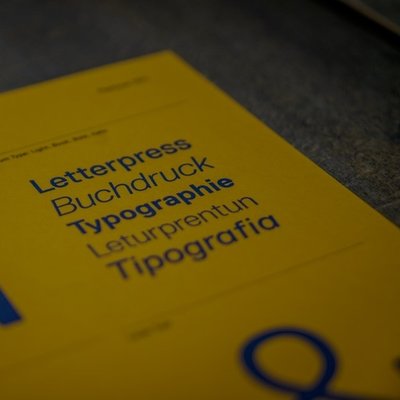
Inspired by a type designer's work, our Creative Director, Dom, reached out to ask for permiss…

Our Lead Creative, Dom, tasked two AI image generators to develop an advertising campaign for his f…