2026: The year of Snapchat?
Meta, Instagram, and LinkedIn are almost always the first port of call for brands looking to make a…
Automation can be a very useful tool to have, but that's exactly what it is - a tool to be used by humans, not instead of them. Read on to find out how to balance automation and human oversight effectively.
Automation has rapidly become central to digital advertising. Platforms now offer campaign types that promise end-to-end optimisation: automated bidding, creative testing, audience targeting and channel distribution. The message is simple - launch a campaign and let the algorithm take care of the rest.
However, from our experience as a digital marketing agency, automation works best with human oversight, not instead of it. While automated systems offer undeniable efficiencies, they’re not foolproof. Without human intervention, campaigns can drift from strategy, lose efficiency, or fail to capture meaningful insight.
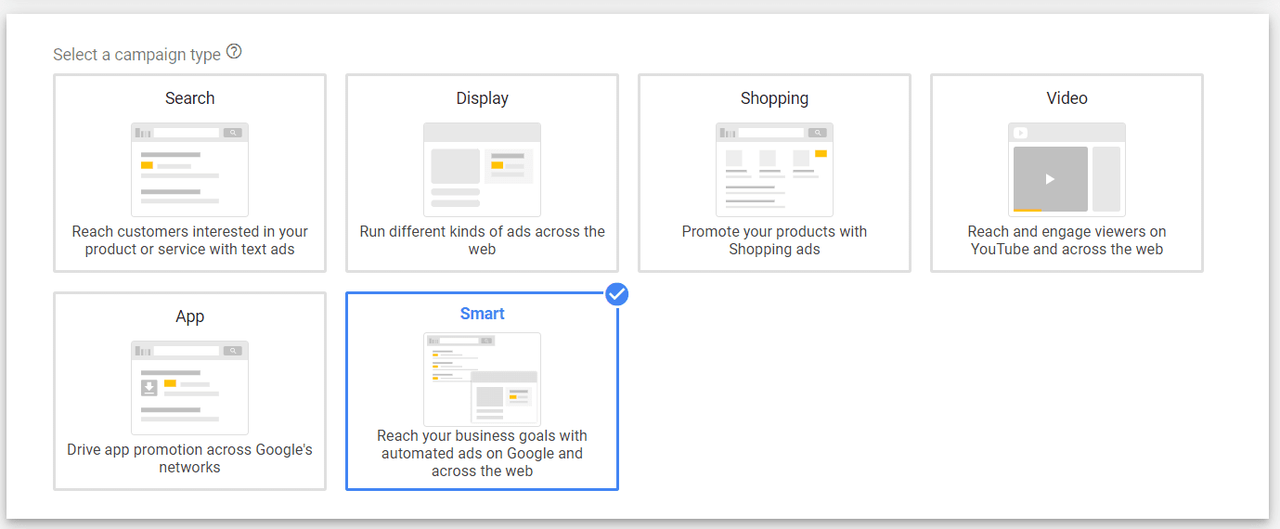
When you sign up for a Smart Campaign, you’ll write an ad that describes your business, set a budget, and select the keyword themes you want to target. Your ad will then be shown to potential customers across Google Search, Google Maps, YouTube, Gmail, and other partner websites.
Optimisation is crucial to any campaign, of course - making those all-important tweaks on the fly can be the difference between continual success and a disappointing decline. It can be time-consuming, though, which is why automation is so useful for it. By automating your optimisation, you can free up your teams to focus on strategy, insights, and other tasks that automation isn’t cut out for.
If you’ve built up a strong foundation of data and insights, then you’re in a great position to put automated bidding to work. The better your data, your automated bidding and audience optimisation can achieve higher conversion volumes and better cost-efficiency.
The algorithm reacts faster than humans ever could. It can adjust to changes in trends, audience behaviours and contexts in real time, alleviating some of the pressure from your teams and keeping your campaigns running smoothly.
Automated campaigns can test asset combinations at scale faster than humans can. Finding these winning combinations more quickly means you can start implementing them sooner, which in turn means those assets can start delivering results earlier.
For all their efficiencies, automated systems can often lack transparency, operating as ‘black boxes’ and obscuring visibility of audience segments, placements, or search queries. Determining success hinges on knowing that you’ve spoken to the right people, and knowing you’ve spoken to the right people hinges on transparency of data.
We’ve mentioned how important the quality of your data is, and this is why. If your data is incorrect, or your tracking and conversion logic is inaccurate, your automated system is going to optimise around the wrong outcomes. The system will assume your data is spot on - it won’t query anything - so it is almost totally dependent on your data being of the utmost accuracy and quality.
Making the most out of your campaign budget is about targeting the users that offer the most value - that’s why it’s so important to monitor your campaign spend at all times. Automated campaigns, without this monitoring, might allocate budget to users that offer less value to your business, or perhaps even bots. That’s just a waste of money that could easily be avoided with some human oversight.
As with all things AI, it’s all about balance. If you lean too heavily into automated campaigns, and let algorithms and artificial intelligence handle everything, your teams will lose out on valuable insights into audience data, which means fewer learning and development opportunities. Make sure your teams are afforded the time to learn from the results that your automated campaigns generate - this’ll help inform work going forward.
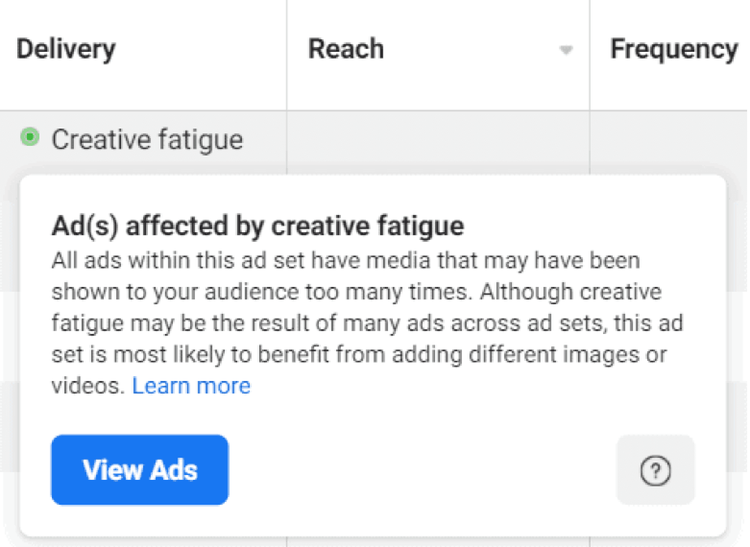
Your creative teams are absolutely vital to the success of your automated campaigns. The creative you use needs to remain fresh and impactful in order to continually resonate with your audience. If your assets are poor quality, or if you use them too often, your audience will become bored and your campaign’s performance will show it.
Humans understand the brand, context, seasonality, and commercial goals of a business in a way that AI doesn’t. This is invaluable information that shapes strategies of all kinds - without it, even the most advanced automated campaign will be ineffective.
You need the creative thinking, artistic vision and contextual understanding of humans in order to keep assets performing. They need to be reviewed, updated, and tested regularly so that campaigns stay fresh and relevant - an algorithm can’t tell you if an asset is becoming stale.
All conversion data, lead quality, and tracking information needs to be validated by humans. Every sales cycle is different - not all of them are simple or short, so a business needs humans to connect the dots from intention to conversion.
Identifying and excluding poor placements, tightening search signals, and identifying anomalies - this helps to keep campaigns efficient, and each of these practices requires the human mind.
Detailed, structured experiments are very effective at unearthing insights and developing campaigns, and automation can’t do this by itself. It needs a collaborative approach between humans and algorithms.
Another benefit of human review is the detection of suspicious behaviour, statistical anomalies, or drops in quality. It also helps with the early identification of spam accounts, which can really skew results if left unchecked - catching these accounts early stops them from polluting your all-important data.
Who’s better to judge what resonates with people than other people? Your teams can help your brand learn what your audience are looking for by monitoring different channels and spaces. Whether it’s social media, news media, or other platforms like podcasts, there’s so many opportunities for your teams to develop long-term insights.

Automation has its place, but full automation strips advertising of what makes it powerful: creativity, judgment and originality.
Automation in digital advertising is powerful - but not perfect. It excels at scale, efficiency and rapid optimisation, but lacks context, creativity and strategic intelligence. For best results, automation should enhance human expertise, not replace it. When both work together, brands benefit from smarter performance and more meaningful insights.