6 reasons why integrated campaigns outperform standalone tactics
What’s an integrated campaign and why should you consider one for your marketing strategy? In this …
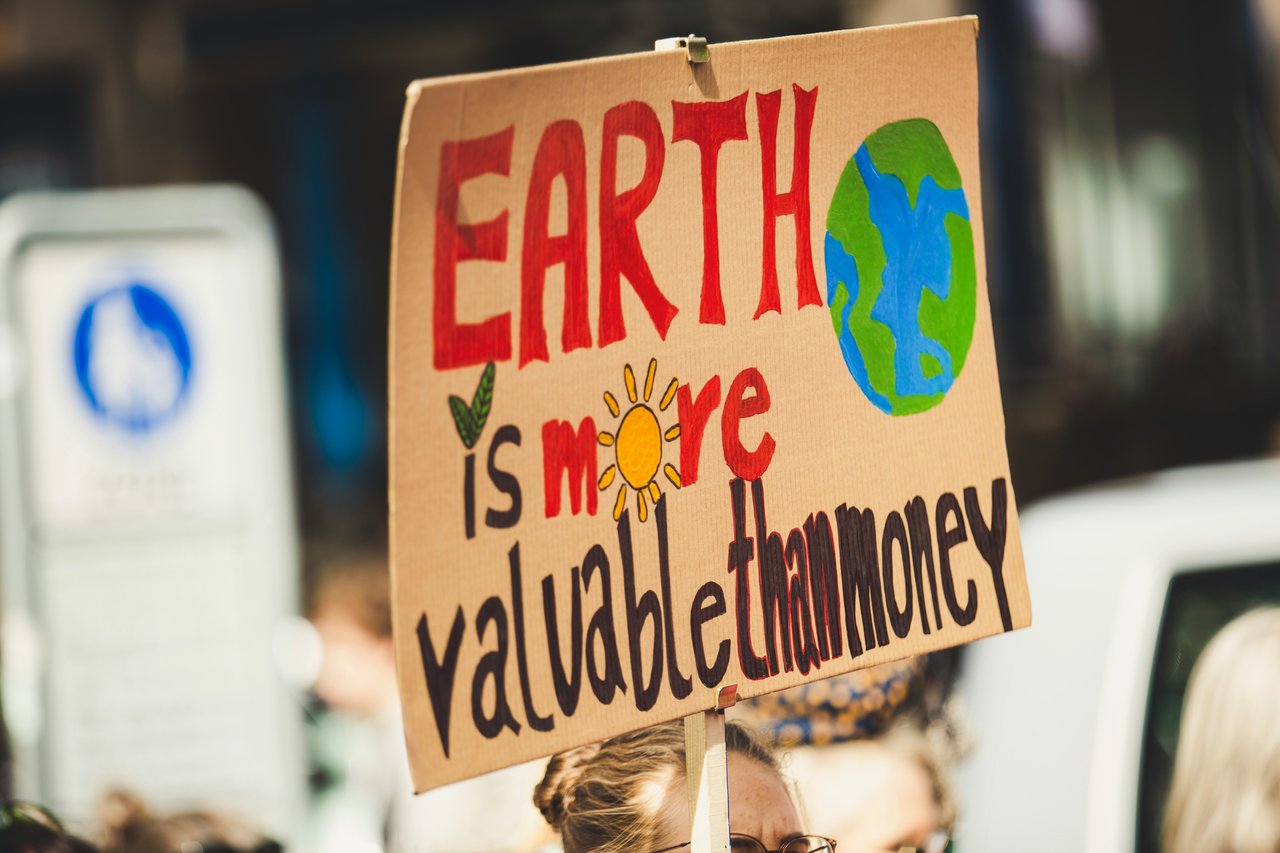
Going through the motions when it comes to sustainability in marketing can make a real dent in brand authority and customer trust. Showing a true commitment to sustainability, through the good times and the bad times, is the only way to do it.
Sustainability has become a core part of how brands present themselves. With overall alignment in values a driving factor in purchase decisions, 88% of consumers are more likely to be loyal to a brand that supports societal and environmental causes, according to Forbes. Greenwashing can damage trust, so looking greener than you actually are can be a risk to your business.
So how do you talk about your sustainability work authentically and convincingly?
Vague claims like ‘eco-friendly’, ‘recyclable’, and ‘carbon neutral’ don’t instil trust. Sharing concrete data and pairing that with real examples showcases action and provides trust proof points for consumers.
Interface, the carpet manufacturer, share detailed case studies showing how clients have achieved significant waste reduction and carbon savings by switching to their circular flooring products. Rather than just claiming to be sustainable, they document specific projects with measurable outcomes, helping customers understand the real environmental benefits.
Consider how you can document before-and-after scenarios, feature customer testimonials about genuine environmental improvements, or showcase specific projects with quantifiable impacts.
Third-party certifications help cut through noise. B Corp, Fairtrade, ISO 14001 and similar standards provide reassurance that your claims are credible.
For B2B companies, certifications like ISO 14001 (environmental management), Carbon Trust Standard, or industry-specific credentials can be essential for qualifying as an approved supplier. These certifications provide the documented proof that procurement teams need to justify their supplier choices to internal stakeholders and satisfy their own sustainability reporting requirements.
In the UK, the CMA’s Green Claims Code makes this even more important. The code sets clear rules to prevent misleading environmental claims and requires brands to be truthful, specific and evidence-based in any sustainability messaging. Using independent verification not only builds trust - it also helps you to stay compliant and avoid the reputational damage of greenwashing.
Explain what these accreditations mean. Many consumers don't fully understand what B Corp status or Fair Trade certification actually requires, and even key decision makers in B2B purchasing may need context. Use these credentials as an opportunity to educate your audience about the standards you're meeting and why they matter.

Perfect sustainability is nearly impossible to achieve but being honest about your shortcomings can actually strengthen trust.
Finisterre, the outdoor clothing brand, publishes transparency reports that acknowledge where they haven't yet achieved their sustainability goals. This honesty resonates with consumers who understand that meaningful change takes time and involves trade-offs.
The key thread here is that sustainability needs to be a core point in the business and not just a marketing add-on. Authentic marketing can only come from authentic action and the strongest sustainability stories come from companies where every department, from product design to supply chains to long term strategy, is aligned behind the same mission.
If you’re serious about sustainability, it needs to be a part of your brand purpose, and you need to be honest about it. Shout about what you’re doing well, recognise where you’re falling short, and back up your words with actions. Ultimately, sustainability in marketing is like any core element of a brand - you need to truly commit to it if you want your customers to believe in you.
We're experts in helping brands build lasting connections with their customers through carefully considered creative, strategy, marketing and communications. Chat to us today to see how we can help you grow.
Let's talk