|  Social media

From new link capabilities to location fees for advertisers, there’s a raft of updates coming to various social media platforms. We’ve compiled this guide to the most important changes to help social media marketers prepare for the next evolution of the digital marketing landscape, and get ahead of those who are caught on their heels.

1. Links in Instagram captions

One of the most requested features by Instagram users is the ability to add a link directly in a caption. That request may finally be granted, but currently only for select Meta Verified subscribers.

Over the years, Instagram chief Adam Mosseri has been adamant that links wouldn’t appear in captions. In 2023 he said that adding links would take Instagram “meaningfully away from being a visual platform… and towards links and publishers and away from creators.”

However, Instagram is now testing the feature with a small group of creators who are subscribed to Meta Verified. At this stage, creators can share up to 10 caption links per month. If rolled out more widely, this could become a major incentive for creators and brands to subscribe to Meta Verified.

2. Instagram thumbnail editing

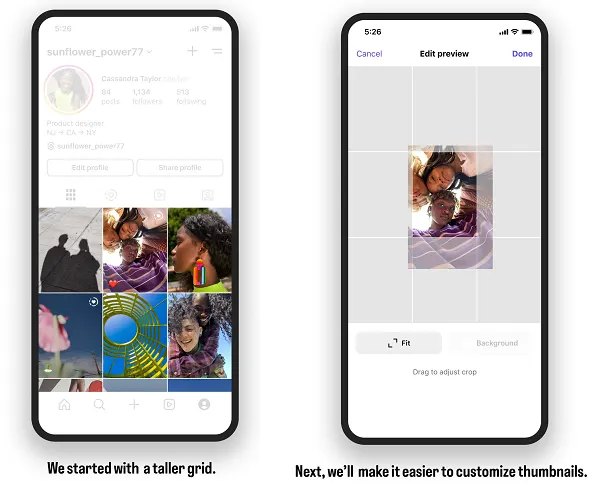
Another highly requested feature on Instagram is thumbnail editing, particularly after Instagram changed the grid thumbnail size, which disrupted many carefully curated profile layouts.

While this might seem like a small change, it allows brands and creators to regain control over how their profiles look.

With thumbnail editing, profiles can once again be optimised to:

  • Maintain a consistent grid aesthetic
  • Highlight key visuals in the feed preview
  • Improve first impressions for new visitors

For brands, especially, this gives more control over how their profile visually drives engagement.

A screenshot of Instagram's new thumbnail editing functionality, which shows a user changing the size of an image to better suit their grid.

3. Rewarding original creators

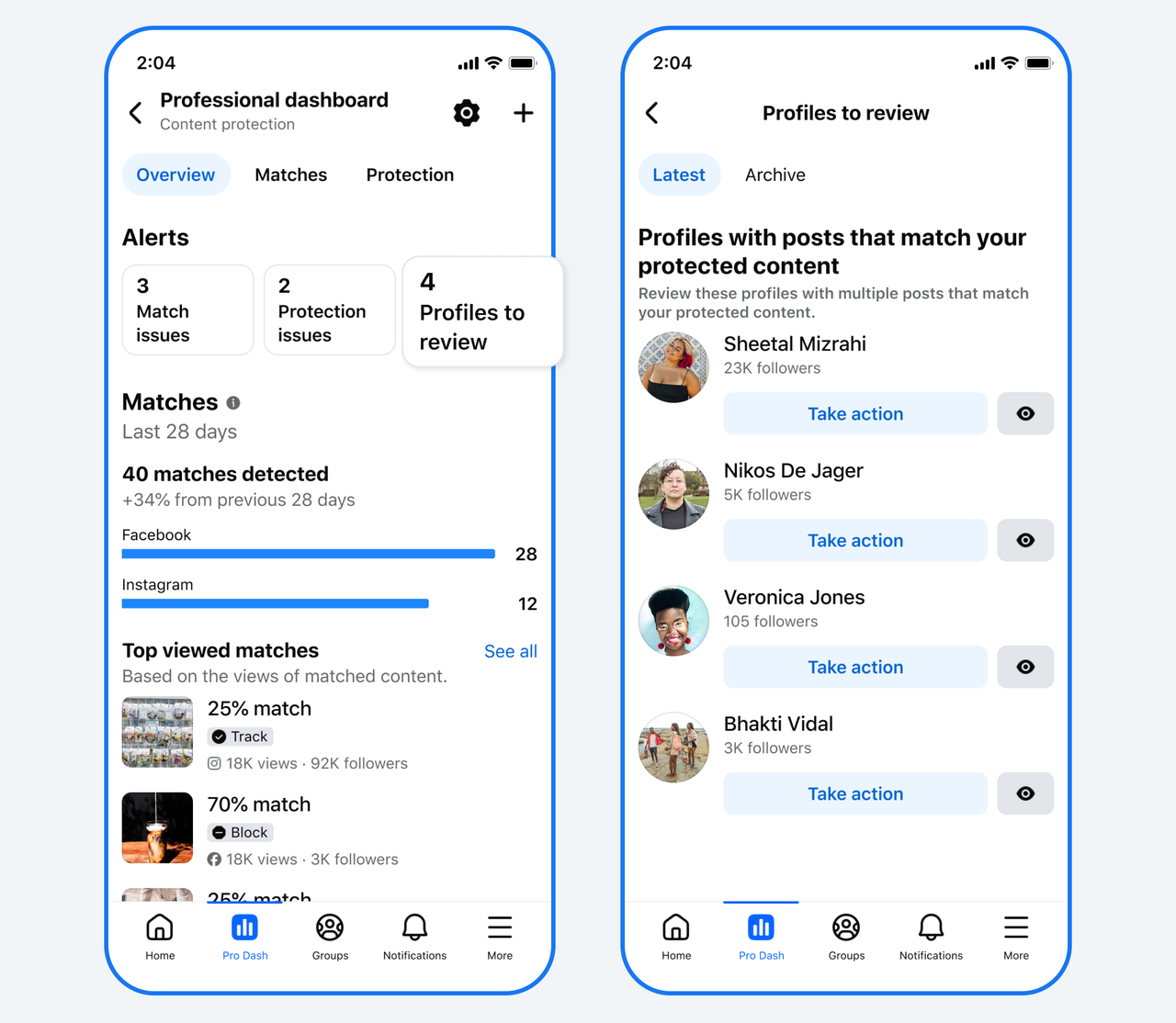
Facebook is placing greater emphasis on rewarding original creators by giving them more reach and monetisation opportunities while deprioritising unoriginal or reposted content.

Meta is also rolling out new tools that allow creators to report impersonators more easily and protect their content.

These updates aim to give creators:

  • More control over their work
  • Greater opportunity to grow their audience
  • Stronger monetisation potential

According to Meta:

“We’re also tackling impersonation head-on. In 2025, we removed more than 20 million accounts impersonating large content creators and impersonation reports related to large content creators dropped by 33%.”

The goal is to improve the platform experience with more original content, better creator rewards, and fewer copycats.

A screenshot of Facebook's new dashboard, which will give creators more detail about reach, and better protect them from impersonators.
Image credit: Facebook

4. LinkedIn feed algorithm changes

LinkedIn has also announced a significant change to its feeds algorithm.

While the platform has long used AI to rank posts, recent advances in large language models (LLMs) have allowed LinkedIn to rethink how the feed understands and delivers content.

LinkedIn explains:

“We’re rolling out a new advanced ranking system, powered by LLMs and GPUs, that better understands what a post is actually about and how it relates to a member’s evolving interests and career goals.”

The new algorithm focuses less on historical engagement signals (such as posts you previously interacted with) and more on your evolving interests and professional goals.

This shift should help creators reach audiences who are actively interested in their topics, rather than relying purely on past behaviour.

5. Meta is introducing location fees

This final update will impact anyone running Meta ads in the UK. Over the past few years, the digital regulatory landscape has changed significantly, including the introduction of Digital Services Taxes (DSTs) in several countries.

Until now, Meta has absorbed these costs. However, from 1 July 2026, these fees will be passed on to advertisers. These charges are being labelled “location fees”, and the rate is determined by the location where ads are delivered, not the location of the advertiser’s business.

Location fees by country:

  • Austria - 5%
  • France - 3%
  • Italy - 3%
  • Spain - 3%
  • Türkiye - 5%
  • United Kingdom - 2%

Meta has stated that this list may change over time as additional governments introduce digital service taxes or similar location-based fees. For advertisers, this means it will become even more important to monitor campaign costs and ensure any fees are considered within your marketing budget.

So, there it is: greater creative control, greater rewards for creators, and additional fees and algorithm updates to consider when planning your next campaign. By starting your preparations early, you can better incorporate these changes into your plans, and remember: the experts at RKH are always on hand to help you build social media strategies that get results.

Set up your social campaigns for success

We help our clients design forward-thinking, data-driven social campaigns, adapting each one to emerging trends to keep the results coming in. Get in touch with us today to chat.

Let's talk
Katie Smith.png

Katie Smith

Senior Social Media and Content Manager