How human voices are reshaping media influence
For years, thought leadership was largely reserved for executives, analysts and established institu…
Big purchases require more confidence than everyday buys, and there are few bigger purchases than buying a home. Read on to find out how personalisation strengthens customer confidence at every stage and helps drive them towards making their move.
When it comes to big purchases, confidence is everything.
Whether it’s buying a new home, investing in education, or committing to a long term contract, customers are rarely making quick, impulsive decisions. Instead, they are navigating complexity, weighing up risk and seeking reassurance at every stage of the journey.
This is where personalisation has emerged as a powerful tool. More than just a marketing tactic, tailored communication and recommendations can actively reduce uncertainty, build trust and ultimately drive decision making. Used strategically, personalisation doesn’t just improve the customer experience, it underpins confidence in the moments that matter most.
Major purchases are inherently emotional. Research from McKinsey & Company shows that consumers increasingly expect brands to understand their needs, with 71% expecting personalised interactions and 76% feeling frustrated when these expectations aren’t met. Buying a home, for example, isn’t just about price or location. It’s about lifestyle, future planning and financial security. If communication feels generic, too broad, or filled with irrelevant options, it indicates a lack of understanding. That uncertainty can slow or even stall the decision making process.
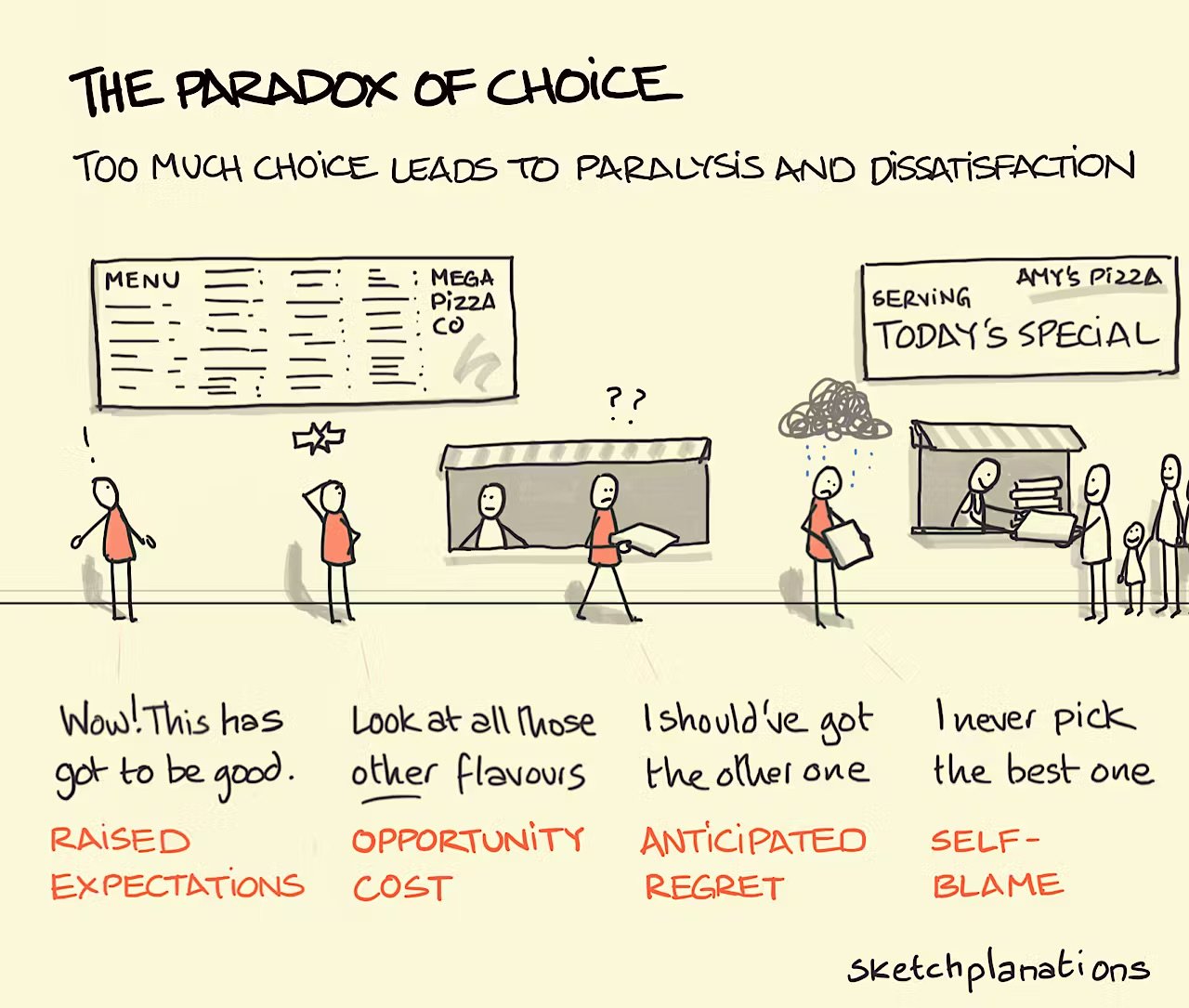
There’s also a behavioural element to consider. When buyers are faced with too many options, confidence tends to drop, a concept often referred to by the American psychologist Barry Schwartz as the “paradox of choice”.
Too many options don’t empower people, they overwhelm them and reduce confidence. Add to that the natural fear of making the wrong decision, and it’s easy to see why big purchases stall. Personalisation helps counter both. By narrowing choices and making them more relevant, it reduces mental load and makes decisions feel clearer and ultimately, safer.
On the flip side, when brands demonstrate they understand individual needs, they reduce what the customer perceives as risk. And when risk is reduced, confidence increases.
In a crowded market, basic personalisation isn’t enough. It’s about using insight to make the experience genuinely more relevant.
At its best, it reflects a deep understanding of customer intent, behaviour and concerns. According to Salesforce, 88% of customers say the experience a company provides is as important as its products or services. In sectors where decisions are complex, that experience often becomes the differentiator.
For housebuilders, that insight is already there. Website behaviour, enquiry data and conversations with sales teams all point to what buyers actually care about, their budget, priorities and where they are in the decision process. The difference lies in how it’s used.
Many developments can feel very similar, so personalisation is a clear way to stand out not by increasing the volume of communication, but by making it more relevant.
That might mean:
It also means reflecting real concerns back to the customer. If buyers are spending time asking questions around affordability, follow up communication should address that directly, rather than defaulting to generic messaging.
These details make a real difference. They reduce the effort required to make a decision and help buyers focus on what actually matters. When it feels like a brand understands what you’re looking for and anticipates the questions you're thinking of asking, the dynamic shifts. It feels less like a sales process and more like natural guidance.
In big decisions like buying a home, that sense of guidance is what turns data into something actually useful reassurance.
Trust is rarely built through one interaction. It’s the result of consistent, relevant communication over time.
In housebuilding, that trust is built across the entire customer journey. From first enquiry through to reservation, buyers are constantly assessing whether they feel confident enough to move forward. In a process that can take weeks or even months, consistency matters just as much as the initial experience.
This is where personalisation plays a different role. It’s about showing up consistently in a way that makes sense for the individual buyer. Each stage of the process should feel connected building on what’s already been understood, rather than starting from scratch.
If a buyer has already explored a development or discussed their requirements, they shouldn’t feel like they’re repeating themselves at every stage. Communication should reflect previous interactions, whether that’s through follow up emails, sales conversations or on site experiences.
That continuity is what builds trust. It shows that the brand isn’t just capturing data, but actively using it to improve the experience. When the journey feels joined up and when each interaction reinforces the last, buyers feel more in control, more informed, and ultimately more confident in their decision.
There’s no denying that advances in AI and data analytics have accelerated personalisation capabilities.
Tools can now track behaviour, predict preferences and automate tailored messaging at scale. However, technology alone isn’t enough. Research from Deloitte highlights that consumers are increasingly aware of how their data is used and that trust hinges on transparency, so any personalisation must feel helpful, rather than intrusive.
This is where strategy becomes critical. The most effective approaches balance automation with human insight, ensuring that messaging remains empathetic, relevant and aligned with real customer needs.
The opportunity lies in connecting personalisation directly to business outcomes.
In a sales context, particularly for big value purchases, personalised communication can:
For sales teams, this creates a powerful shift. Conversations are no longer based on assumptions, they're based on insight, and this allows for more meaningful engagement with potential buyers.
In a crowded market, the difference rarely comes down to the product alone. It comes down to customer confidence and belief in a brand. Personalisation, when done properly, helps build that at every stage by simplifying choices, addressing real concerns and creating a more connected experience. Because when buyers feel understood and supported, they don’t just move quicker; they move forward with confidence.
We know how to build brand reputations and create campaigns that translate into purchases. Get in touch with us to learn more.
Let's talk