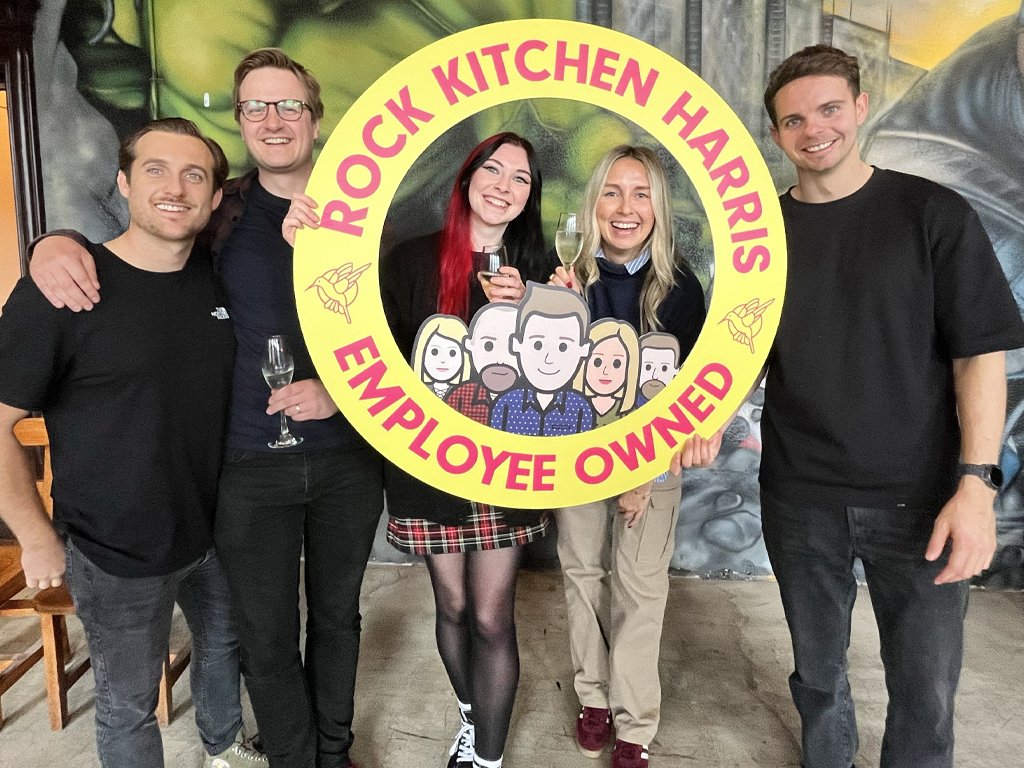
A human-first approach to B2B marketing

A human-first approach to B2B marketing
Read article

You can’t get away with basic personalisation anymore. A simple ‘[FIRST NAME]’ in your subject line isn’t going to cut it. Customers are more informed, their expectations are higher, and frankly, they’re far less forgiving.
From where I sit, working closely with clients across sectors, the brands that are winning are the ones treating personalisation as a growth driver, not just a marketing tactic.
So, what does it actually take to move from basic to brilliant?
Personalisation used to rely heavily on identity or ‘static data’, like location, age, or job title. But that only ever told part of the story.
Today, the real value comes from understanding customer behaviour. What are people browsing? What are they clicking? Where are they dropping off? These signals show intent, and that’s where the opportunity lies.
Two customers might look identical on paper; they might be of the same age, have a similar job, or live near one another, but they can behave completely differently. The brands that recognise and act on that difference are the ones creating meaningful, high-performing experiences.
The most effective brands are moving beyond generic experiences and into dynamic, behaviour-led journeys.
Whether it’s product recommendations based on browsing history or tailored landing pages aligned to specific interests, the goal is simple: reduce friction, show them products they're interested in first and make it easier for customers to act. People don't want to scroll through pages and pages - we want to find what we're looking for within seconds. Add in a seamless payment experience - a whole other topic - and customers will part with their cash quicker than you can order an Uber!
Mass emails still have their place, but they’re no longer enough on their own.
Trigger-based emails, whether that’s post email sign-up, basket abandonment, or post-purchase, allow brands to show up at the right moment, with the right message - it's not just about personalisation here, but relevance!
From a client perspective, this is often where we see the quickest wins. Relevance drives engagement, and engagement drives conversion. But get it wrong and audiences will quickly disengage.
Some brands now do this so well that personalised follow-ups no longer feel like marketing, but instead part of the customer experience. Spotify Wrapped is a great example of this. Every year, it becomes a genuine talking point, not just online, but in offices and group chats too. My colleagues and I spent hours comparing our Wrapped stories over at a Xmas team social; sharing playlists, comparing our ‘Listening Age’ (I was pleasantly surprised mine was 24!!) and encouraging others to check theirs.
That’s the power of getting personalisation right. It stops feeling like marketing and starts feeling like an experience people actively want to engage with and share.
For Spotify, the benefit goes far beyond clicks or opens. It drives massive brand engagement, strengthens customer loyalty, and turns users into advocates who organically promote the platform to others.
Targeted advertising isn’t new, but through smarter use of behavioural data it can be far more effective.
For example, retargeting users who abandon at checkout with tailored creative can significantly improve conversion rates. But it’s not just about following users around the internet, just plastering your brand everywhere they go isn't enough (it might help, but it might also hinder - no one likes to be stalked!). Instead it’s about ensuring the message feels timely and considered. And importantly, refreshing creative regularly to avoid fatigue.
With third-party cookies on the way out, first-party data has become critical, and this gives us more control and accuracy.
You’re collecting data directly from your customers through sign-ups, interactions, and purchases, which means it’s more reflective of their behaviours and intent, but most importantly fully compliant with evolving regulations.
We’re also seeing a clear commercial benefit. Brands that are investing properly in first-party data strategies are seeing measurable uplifts in performance, not just engagement, but revenue too - research has found that brands using first-party data experienced a 2.9x lift in revenue.
So whilst it's an investment in both time and budget to collate the data, it pays to create a personalisation strategy to engage and drive sales uplift.
There's a lot of data you can gather, so the best starting point to understand your customers is what they’ve already bought.
Purchase behaviour gives a clear indication of preferences and can help predict future needs. It allows brands to move beyond guesswork and into relevant, logical and timely recommendations, which ultimately drives repeat purchase and long-term value.
Another clear indicator of intent is how users behave on your website. What pages are they returning to? Where are they spending the most time? What products or services are they exploring repeatedly?
Customers rarely invest time in content they’re not interested in, which is why behavioural signals are so valuable. Used properly, they allow brands to create more relevant experiences, from tailored content and recommendations to smarter retargeting and follow-up messaging.
For clients, this is often where personalisation starts becoming genuinely impactful rather than simply cosmetic.
And finally, email engagement, which still remains one of the strongest indicators of customer interest and intent.
Opens, clicks, downloads, and interactions all provide valuable insight into what audiences actually care about and what they don’t.
Rather than treating every customer the same way, brands should focus on building journeys around engaged behaviours. Not only does this improve relevance for the user, but it also makes marketing activity significantly more efficient.
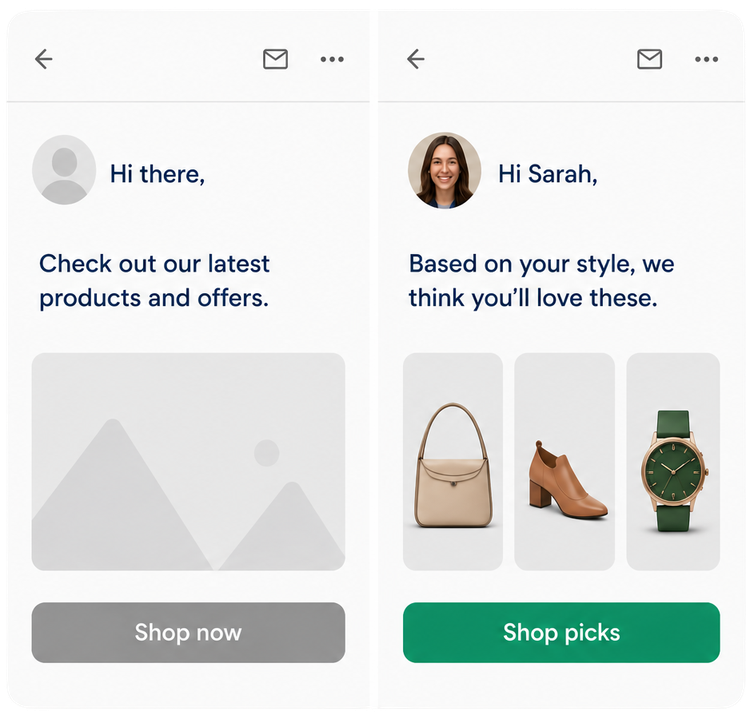
From a client services perspective, this is where we often see the shift from volume-led marketing to value-led communication. No one wants to receive emails promoting a 2-bed apartment when their browsing history and previous email interactions clearly show they’re in the market for a 4-bed detached home.
No matter how beautiful that apartment is, that customer has no intention of buying it. Mass communication without direction doesn’t just reduce performance, it can actively damage engagement and brand perception over time.
One of the quickest ways to improve personalisation performance is to revisit your segmentation strategy.
Not every customer is at the same stage of the journey, so treating them all the same way will inevitably impact results. The brands seeing the strongest performance are the ones building journeys around behaviour, intent, and engagement level.
For new audiences, educational and trust-building content tends to outperform aggressive 'buy now' messaging. This is your opportunity to demonstrate expertise, showcase value, and build credibility with potential customers.
Returning visitors are different. They already know your brand, so messaging can become more direct, with stronger calls-to-action, tailored recommendations, and timely reminders helping move them closer to conversion.
Highly engaged audiences are naturally more receptive to sales-led messaging and personalised offers.
For disengaged users, however, the priority should be re-engagement before conversion. Pushing offers too early to an uninterested audience can feel intrusive and often leads to further drop-off. Sometimes the most effective message isn’t “buy now”, it’s simply reminding customers why they were interested in the first place.
Users who spend time viewing products or services without taking action are showing clear signals of interest, but usually still need a bit of further 'persuasion'...
This is where follow-up messaging can be particularly effective. Reviews, testimonials, and reassurance messaging can all help reduce friction and rebuild confidence at a critical stage of the journey. And after all of that, a discount or offer can often do the trick!
Existing customers should never be treated the same as new potential buyers. If someone has already purchased from your brand, you’ve already earned a level of trust and that creates opportunities for cross-selling, upselling, and long-term loyalty building.
For new leads, behavioural trigger emails are often far more effective than broad newsletter campaigns. Unlike scheduled communications, trigger-based journeys respond to real customer actions and intent - showing a level of understanding and reducing friction.
For example, if a user hasn’t visited your website or engaged with your content for 30 days, a well-timed “we’ve missed you” message can feel far more relevant and personal than another generic sales email.
Personalisation is no longer a “nice to have” - it’s the baseline expectation. With the capabilities now available through today’s marketing platforms, customers expect brands to deliver communications and experiences that feel relevant, timely, and genuinely useful.
When done well, personalisation creates value on both sides; stronger customer trust, better engagement, improved ROI, and ultimately increased revenue. The opportunity now lies with brands willing to move beyond broad-brush messaging and generic content, and instead invest in more intelligent, behaviour-led customer journeys.
Personalised, effective, and impactful campaigns are our speciality. Get in touch to discuss your next one.
Let's talk
For our 40+ year history, relationships have been central to our success. As we’ve transitioned fro…

The question isn't whether technology is good or bad, but how we champion human connection in …